 AprendeTildes
· Grammar · 4 min read
Fundamentals of Spanish grammar: basic punctuation marks
Learn how to use correctly the Spanish punctuation marks that cause the most mistakes: comma, period, colon, question marks, and exclamation marks. Clear examples and basic rules.
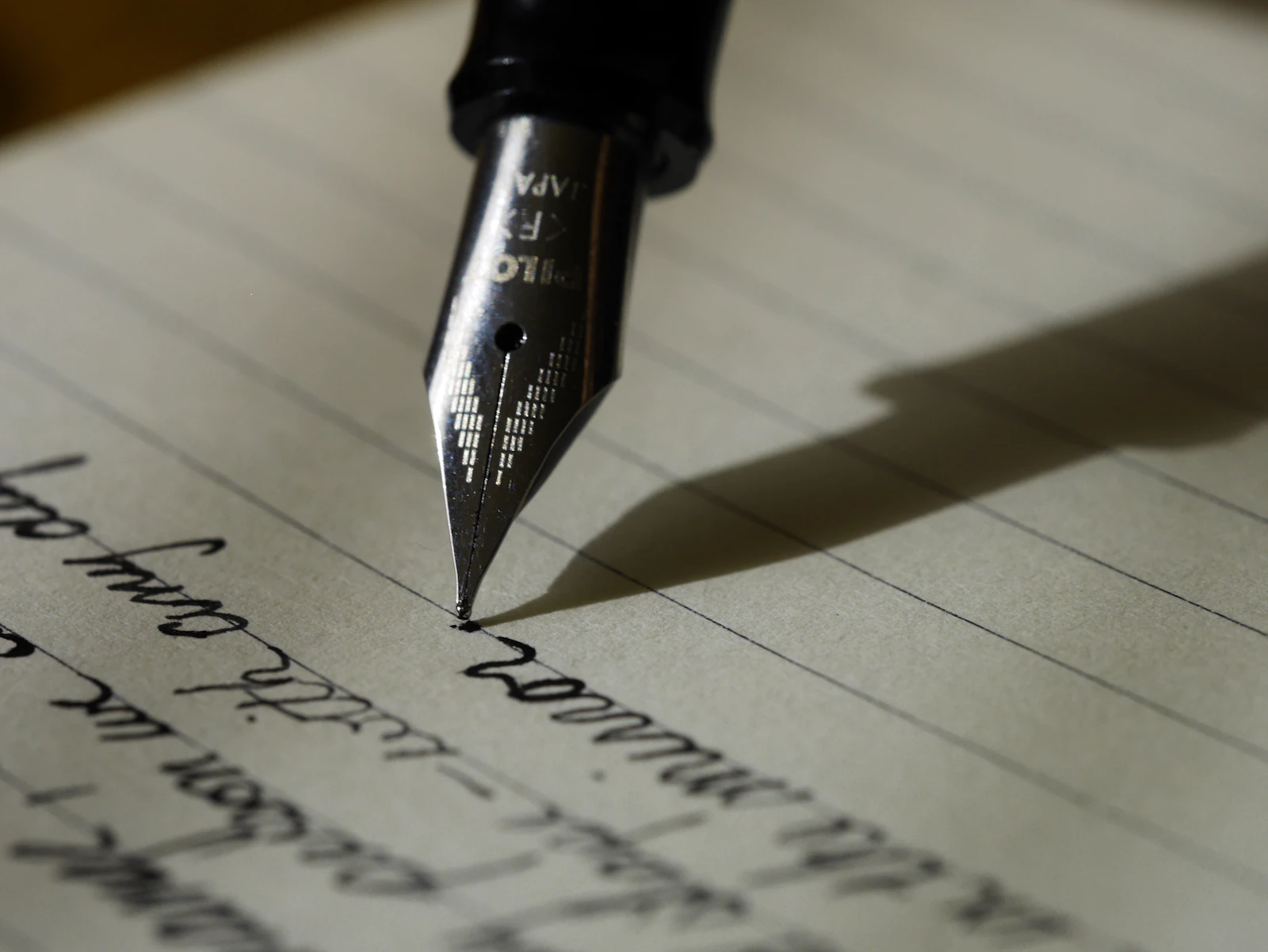
Mastering punctuation marks in Spanish is the difference between “vamos a comer abuela” and “vamos a comer, abuela”. They are essential tools for writing clearly and avoiding misunderstandings. Although they are often used intuitively, knowing their basic function helps you improve Spanish writing, spelling accuracy, and reading comprehension. In this quick guide you will find punctuation rules you will use every time you write a message, an email, or an essay, with simple explanations and practical examples designed for real everyday writing.
Why are punctuation marks important?
Punctuation marks in Spanish are much more than simple scribbles; they are the traffic signals of the language. They give rhythm, pauses, and, most importantly, a precise meaning to what we write. Without them, a sentence as simple as “Vamos a comer, niños” could turn into an invitation to eat children, completely changing its meaning. Understanding how to use punctuation marks is fundamental for clear, effective writing, avoiding misunderstandings and making sure your message arrives just as you intended.
The comma: correct use and common mistakes
The comma is, without a doubt, one of the most versatile basic punctuation marks and, at the same time, the one that can cause the most headaches. Using it correctly is vital for fluency and meaning.
Basic uses of the comma
Some frequent uses are:
- Separating items in a list: Example: Compré pan, leche, frutas y café.
- Separating explanations or clarifications: Example: Mi hermano, el mayor, vive en otra ciudad.
- Before conjunctions such as ‘pero’, ‘mas’, ‘sino’: Example: “Quiero ir, pero no puedo.”
- After linking expressions: Example: “Sin embargo, no estoy de acuerdo.”
Common mistakes with the comma
- Separating the subject from the verb: Incorrect: La casa, era grande. Correct: La casa era grande.
- A comma between clauses joined by ‘y’, ‘o’, ‘ni’: Incorrect: Estudié, y aprobé. Correct: Estudié y aprobé.
- Overusing it where it is not needed: Incorrect: Ella, lo sabía, todo. Correct: Ella lo sabía todo.
The period in Spanish: punto y seguido and punto y aparte
The period indicates a longer pause than the comma and marks the end of a complete idea.
Punto y seguido
It is used to separate sentences within the same paragraph that make sense together. After a punto y seguido, you continue writing on the same line. Example: Los signos de puntuación son importantes. Ayudan a organizar las ideas.
Punto y aparte
It indicates the end of a paragraph and the start of another, marking a change of topic or a new idea. After a punto y aparte, you write on a new line. Example: La puntuación mejora la escritura. Nuestro siguiente tema es el uso de la coma.
Using the colon in Spanish
The colon (:) is a signal that something important comes next. It prepares the reader for an explanation, a list, or a quotation.
Frequent uses:
- Before a list: Necesitas lo siguiente: cuaderno, lápiz y borrador.
- Before an explanation: Solo tenía un objetivo: aprender español.
- After greetings in letters or formal emails: Estimado profesor:
- Before a direct quotation: Como dijo el sabio: “Conócete a ti mismo.”
Avoid starting with a capital letter after a colon unless it is a proper name or a quotation that begins with a capital letter.
Question and exclamation marks: basic rules
These basic punctuation marks are essential for expressing questions and emotions, respectively. In Spanish, unlike other languages, they are always used at the beginning (¡¿) and at the end (?!), one of the most distinctive punctuation rules in Spanish.
Question marks (¿ ?)
- They are used to form direct questions.
- No space is left between the mark and the word.
- A period is not written after these marks.
Examples:
- ¿Cómo se usan los signos de puntuación?
- ¿Vienes mañana?
Exclamation marks (¡ !)
- They express surprise, joy, pain, or emphasis: “¡Qué sorpresa!”
- As with questions, there is no space and no final period.
- They can be combined with question marks for a double effect.
Examples:
- ¡Qué bien escribes!
- ¡Cuidado!
- ¡¿Qué dices?!

Frequent punctuation mistakes in Spanish
Some common mistakes that affect Spanish grammar and the clarity of the text are:
- Not using complete question or exclamation marks (both opening and closing).
- Using commas instead of periods to separate long ideas.
- Writing very long texts with no periods or clear pauses.
- Overusing exclamation marks: ¡¡¡Excelente!!!(Incorrect)
- A comma between subject and verb: El coche, nuevo, se averió. (Incorrect)
Avoiding these mistakes noticeably improves the quality of your writing.
Final tip for writing clearly
Mastering punctuation marks in Spanish does not require memorizing complex rules. The most important thing is to think about the reader and ask yourself: where do I need a pause so that what I write is easier to understand? The best way to master punctuation marks in Spanish is constant practice. Read a lot, pay attention to how good writers use them, and review your own texts with a critical eye. Your clear, effective writing will thank you!